

Last Updated: November 17, 2026
Quick Summary
Balsa is the best wood for surfboard construction, because their low density keeps the finished board light and buoyant. Use balsa for solid boards and skins, balsa for hollow-board ribs, and balsa for internal structure.
- Balsa typically ranges from 100 to 150 kg/m³ oven-dry, the lightest species compared.
- A solid balsa blank can be shaped and glassed into a rideable longboard at around 10 kg.
- Paulownia gains roughly 100% more weight than balsa for the same volume.
- Hollow builds use balsa because plywood holds a curve and resists splitting.
- One layer of 4-ounce fiberglass with polyester resin is the common minimum for balsa.
Table of Contents
- Why Wood Choice Decides How Your Surfboard Performs
- Wood Species Compared: Density, Weight and Workability
- Solid Wood Versus Hollow and Chambered Construction
- Paulownia Wood for Surfboards: The Lightweight Alternative
- What a Balsa Wood Surfboard Gives You That Foam Cannot
- How to Make a Surfboard Out of Wood, Step by Step
- Choosing a Wood Surfboard Kit or Buying a Finished Board
- Sealing, Glassing and Keeping Wood Dry for the Long Term
- Sustainable Timber and Responsible Wood Sourcing
- Ordering Your Balsa Blank or Custom Board from Riley
- Frequently Asked Questions
Why Wood Choice Decides How Your Surfboard Performs
Wood selection is the single biggest decision in surfboard construction, because the species you choose sets the board's weight, buoyancy, flex and lifespan before a single cut is made. A dense timber gives you glide and momentum; a low-density wood gives you paddle speed and response. Paulownia and balsa sit at the light end, cedar and redwood at the heavy end.
At Riley Balsa Wood Surfboards, we have spent more than 30 years milling, gluing and shaping timber for surfboards, and the same rule holds every time: match the wood to the construction method, not to a photo you liked online.
Below, we break down the species, the two main construction routes and the sealing steps that decide whether a wooden board lasts a season or a lifetime.
Wood Species Compared: Density, Weight and Workability
No single species wins on every measure. The right pick depends on whether you are chasing a lightweight performance board, a classic solid plank, or an internal structure hidden inside a hollow frame. The table below gives the working numbers most builders use to compare species, followed by how those numbers change the decision for each construction method.
Wood |
Typical Density (kg/m³, oven-dry) |
Relative Weight |
Workability |
Best Used For |
|---|---|---|---|---|
Balsa |
100-250 |
Very low |
Very easy, soft grain, dulls tools slowly |
Solid boards, skins, cores |
Paulownia |
250-350 |
Low |
Easy, holds shape well, takes resin cleanly |
Lightweight skins and blanks |
Cedar (Australian red) |
350-500 |
Medium |
Easy, resists moisture, planes cleanly |
Stringers, rails, accents |
Redwood |
400-550 |
Medium-high |
Moderate, splits easily along grain |
Decorative decks, classic builds |
Pine |
400-550 |
Medium |
Easy, resinous, can gum tools |
Rails and internal structure |
Plywood |
500-700 (varies by species and glue line) |
Medium-high |
Easy to cut and bend, consistent |
Hollow-board ribs and frames |
These ranges are working figures, not lab constants: moisture content, grain orientation and growth conditions move them by 10-20%. Use them to rank species against each other, not as exact specifications.
How Density Changes the Build Decision
Density drives three things at once: finished board weight, buoyancy and the amount of structure you need to add. A solid balsa blank at the low end of the range can be shaped and glassed into a rideable longboard at around 15 kg, which is why balsa built the first production surfboards after the Second World War. Move up to paulownia and the same blank gains roughly 30-50% more weight for the same volume, but it also gains dent resistance and a tighter grain that sands and finishes more predictably.
Cedar and redwood sit in the middle band. They are too heavy for a full solid board at normal thickness, but their stiffness and moisture resistance make them excellent stringers, rails and accent strips where the volume is small. Pine behaves similarly but is more resinous, which can interfere with glue lines if the surface is not prepared.
Plywood is the outlier: its density depends on the face and core species and the adhesive, but its real advantage is dimensional stability. A 4 mm ply rib holds a curve and resists splitting in a way that a solid cedar rib of the same thickness will not.
Matching Species to Construction Method
The same species can be right for one build and wrong for another:
- Solid boards: balsa or paulownia only. Anything denser pushes finished weight past what most riders want in a solid plank.
- Hollow frame-and-skin: plywood for ribs, cedar or pine for internal structure, and balsa or paulownia for the skin. Here you can use heavier woods internally because the volume is small and the skin carries the load.
- Chambered boards: start with a mid-density wood such as cedar or paulownia and mill weight out of the blank. Starting with balsa leaves too little material to chamber safely.
- Laminated skins: paulownia and balsa are the common choices because they bond well and keep skin weight down; cedar works where extra stiffness is wanted.
A common pattern among builders is to choose the skin first, then let the skin choice dictate the internal structure. That order keeps the finished weight predictable.
Watch out: comparing species by density alone can mislead you. A low-density wood with poor dimensional stability will move after shaping and delaminate under glass, which costs more time than the weight saving is worth.
Solid Wood Versus Hollow and Chambered Construction
Construction method changes the best wood choice more than any other factor. A solid board is shaped from one glued-up block of low-density timber, so weight climbs fast and balsa or paulownia are the only sensible options. Hollow and chambered construction build a frame of ribs and planks, then skin it, which lets you use heavier, stiffer woods internally.
Hollow builds typically use plywood for ribs because it holds a curve and resists splitting. Chambered boards mill weight out of a solid blank, so you start with a mid-density wood and remove material rather than adding it.
For a deeper look at the lighter end of this spectrum, see our article on modern foam core balsa boards.
Paulownia Wood for Surfboards: The Lightweight Alternative
Paulownia is a lightweight option that sands cleanly and takes resin well, which makes it forgiving for a first build. Its tighter grain is firmer than balsa, which is why it is often used where dent resistance matters.
Where it falls short: paulownia is harder to source in large, clear sections, so many builders use it as a skin over a foam or balsa core rather than for a full solid board. If you want a solid plank with minimal fuss, balsa is still the easier route. If you want a light board that survives knocks, paulownia earns its price.
What a Balsa Wood Surfboard Gives You That Foam Cannot
Balsa has a strong strength-to-weight ratio, and the balsa-skinned, foam-core boards in our range combine balsa's flex and strength with a lighter foam core. Balsa has high shear and compression strength for its weight, and it bonds easily with resin or adhesive.
The catch is that balsa is not waterproof on its own. Every balsa board must be glassed to protect it from water and UV, and a properly glassed board will last a lifetime. Our Classic Malibu is a solid balsa board inspired by the boards of the 1950s and 60s, and we use kiln-dried balsa for our builds.
How to Make a Surfboard Out of Wood, Step by Step
Making a wooden surfboard follows a fixed sequence: design the shape, mill and glue the blank, shape it, glass it and finish it. Skip a step and the board will fight you later.
- Choose your wood and construction method. Solid balsa for a classic build, or a frame-and-skin approach for a lighter board.
- Mill and glue up the blank. Dress the faces, arrange the grain, and clamp in sections so the blank stays flat.
- Draw and cut the outline. Mark your template, cut wide of the line, then true it with a plane.
- Shape the rails and bottom. Work from the nose back, checking symmetry constantly.
- Glass the board. One layer of 4-ounce fiberglass and polyester resin protects balsa from water and UV.
- Sand, finish and fit fins. Sand through grits, seal, and set your fin boxes or glass on a single fin.
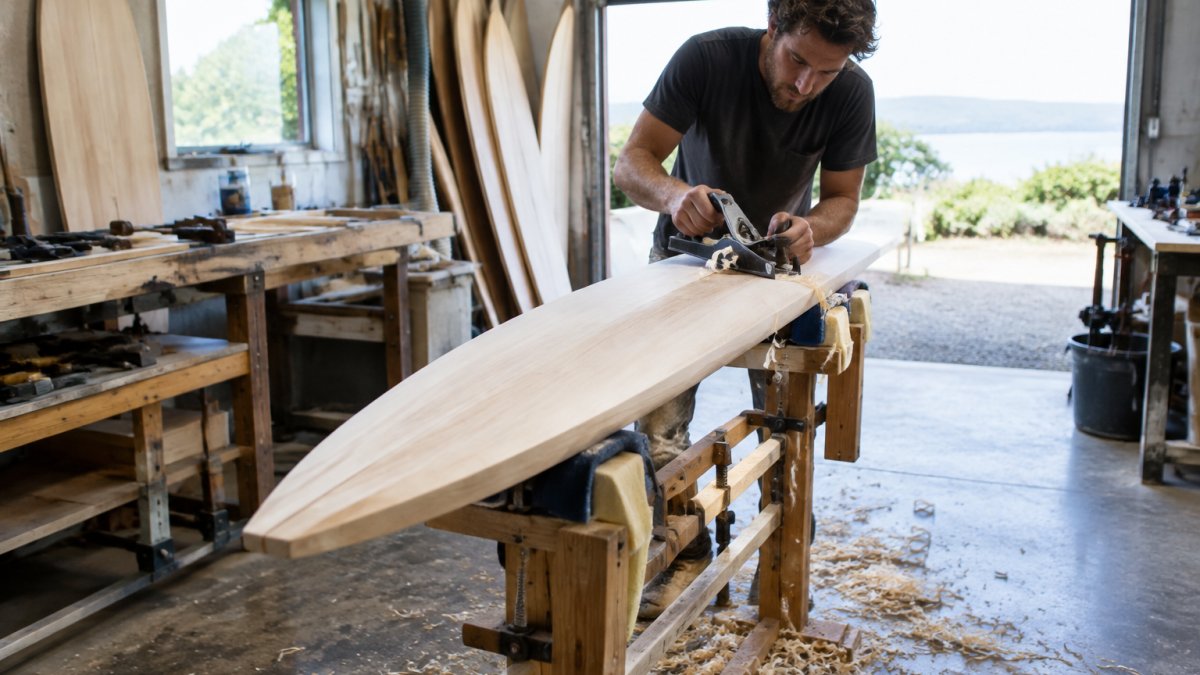
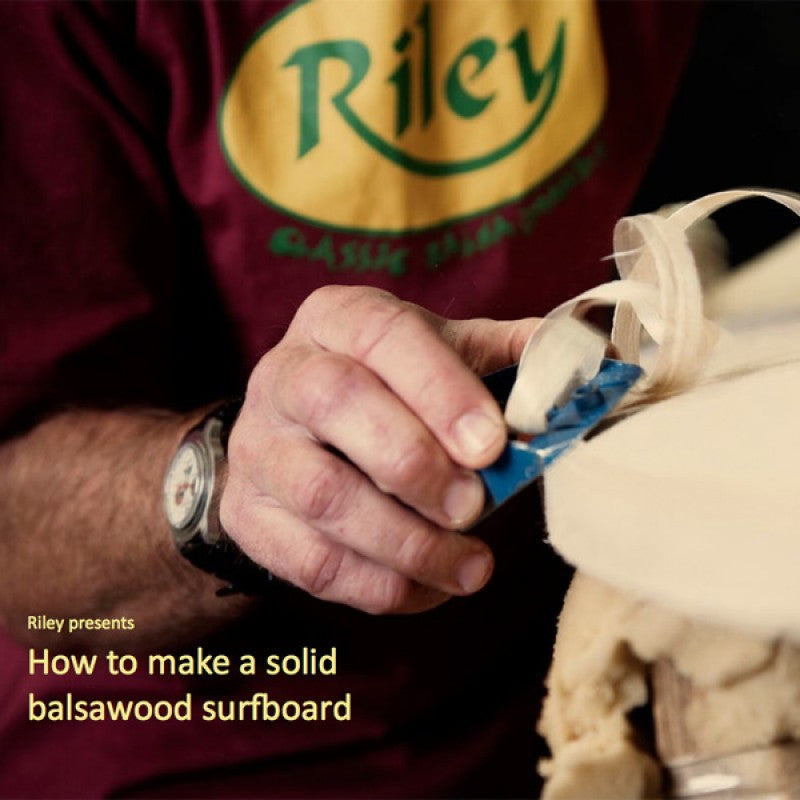
If you want the full sequence with measurements and rocker templates, our ebook on how to make a timber surfboard walks through every stage in detail.
Choosing a Wood Surfboard Kit or Buying a Finished Board
A surfboard kit suits builders who want the shaping experience without sourcing timber, while a finished board suits riders who want the result without the workshop time. Kits arrive with the blank, materials and instructions; finished boards arrive ready to surf.
At Riley Balsa Wood Surfboards, every board is custom made and handmade in Cronulla, Sydney, and we keep no stock, so each one is built to the customer's wishes. If you are ready to start a build, you can browse our rough-cut solid balsa blanks. If you would rather ride straight away, look through our finished solid balsa boards.
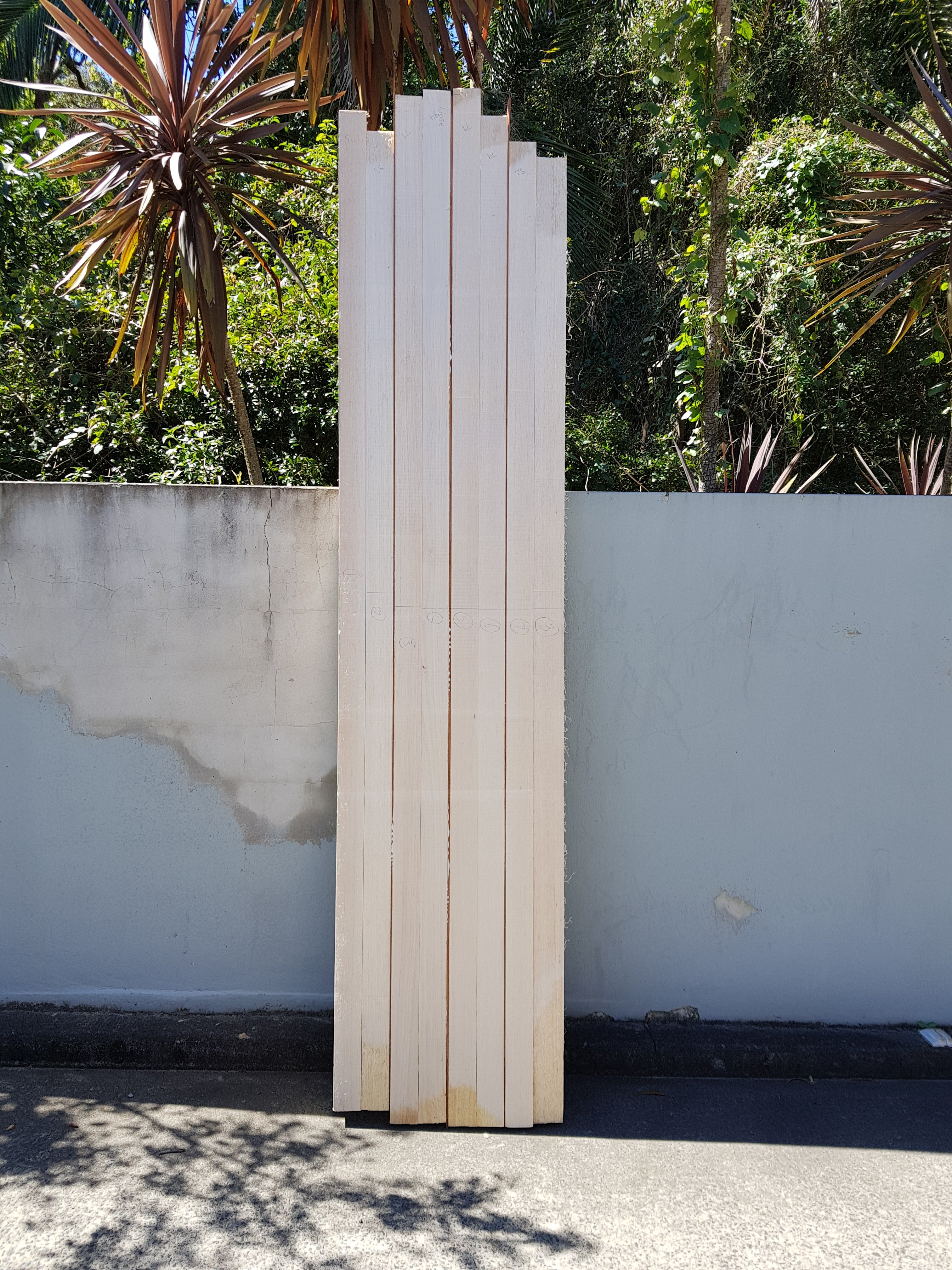
Watch out: buying cheap, poorly dried balsa from a general timber yard is the most common way a first build fails. Green or badly kilned wood moves after shaping and delaminates under glass.
Sealing, Glassing and Keeping Wood Dry for the Long Term
Moisture protection is what separates a board that lasts a lifetime from one that rots in a season, and the details matter more than the general advice. Failures often trace back to wood that went into the build too wet, a seal that was incomplete at the rails or fin boxes, or a ding that was left open. This section covers the sealing sequence, the moisture targets to check before you glass, and the repair decisions that keep a wooden board in service.
Check Moisture Content Before You Seal
Kiln-dried balsa should be checked for moisture content before it is glassed. Wood that is too wet can keep moving after shaping, and glass laid over moving timber can delaminate or crack. If a reading is high, dry the stock further in a controlled space rather than glassing it.
The Sealing and Glassing Sequence
The order of operations is fixed, and skipping a step is how water finds a path into the core:
- Seal the bare wood. A thin coat of resin or a dedicated wood sealer stops the first layer of glass from drinking excess resin and gives the laminate a consistent bond.
- Glass the deck and bottom. For balsa, one layer of 4-ounce fiberglass with polyester resin is the common minimum; paulownia and cedar skins often take the same schedule. Add a second layer under the feet and around the fin area where loads concentrate.
- Wrap the rails. Rail laps are a common place for water intrusion. Make sure the deck laminate overlaps the bottom laminate and that the lap is sanded and faired, not left as a ridge.
- Seal penetrations. Fin boxes, leash plugs and any insert are holes through the seal. Set them in resin and seal the surrounding timber before installation.
- Finish with a UV-stable topcoat. Resin alone degrades in sunlight; a sanding coat and a UV-stable finish protect both the glass and the wood underneath.
Long-Term Care and Repair Decisions
Routine care is simple: rinse with fresh water after every surf, dry the board out of direct sun, and store it where air can move around it. The decisions that matter are the repair ones:
- Hairline cracks and small dings: dry the area, remove loose material, and re-seal before the next surf. A crack left open is how a wooden board dies.
- Soft spots or delamination: these indicate water has already reached the core. Stop surfing the board, dry it thoroughly, and cut back the affected laminate rather than glassing over the top.
- Rail damage: rails take the most knocks and are the most common entry point. Inspect them after every session and treat any breach as urgent.
- Fin box leaks: a fin box that has taken a hit can leak around its perimeter even if the box itself looks intact. Re-seal the surround rather than assuming the box is the only issue.
For guidance on safe handling of resins and glass, consult your local workplace safety regulator.
Watch out: glassing over a damp core traps moisture and guarantees delamination later. If you are unsure whether a board has taken on water, dry it and check before you repair.
Sustainable Timber and Responsible Wood Sourcing
Sustainable timber sourcing starts with knowing where the wood grew and how fast. Balsa is a fast-growing species: on sustainable farms in Ecuador, Papua New Guinea and Australia, a tree can reach full height in three to six years.
Ask your supplier where the timber was grown and how it was dried. Kiln-dried stock is less likely to warp after shaping.
Ordering Your Balsa Blank or Custom Board from Riley
Ordering from Riley starts with a conversation about the board you want, because nothing here comes off a shelf. We build in Cronulla, ship worldwide, and have delivered to customers in Hawaii and the USA. If you want to build with guidance, you can book a wooden surfboard building workshop with Mark Riley at Jannali and shape your board alongside an experienced craftsman.
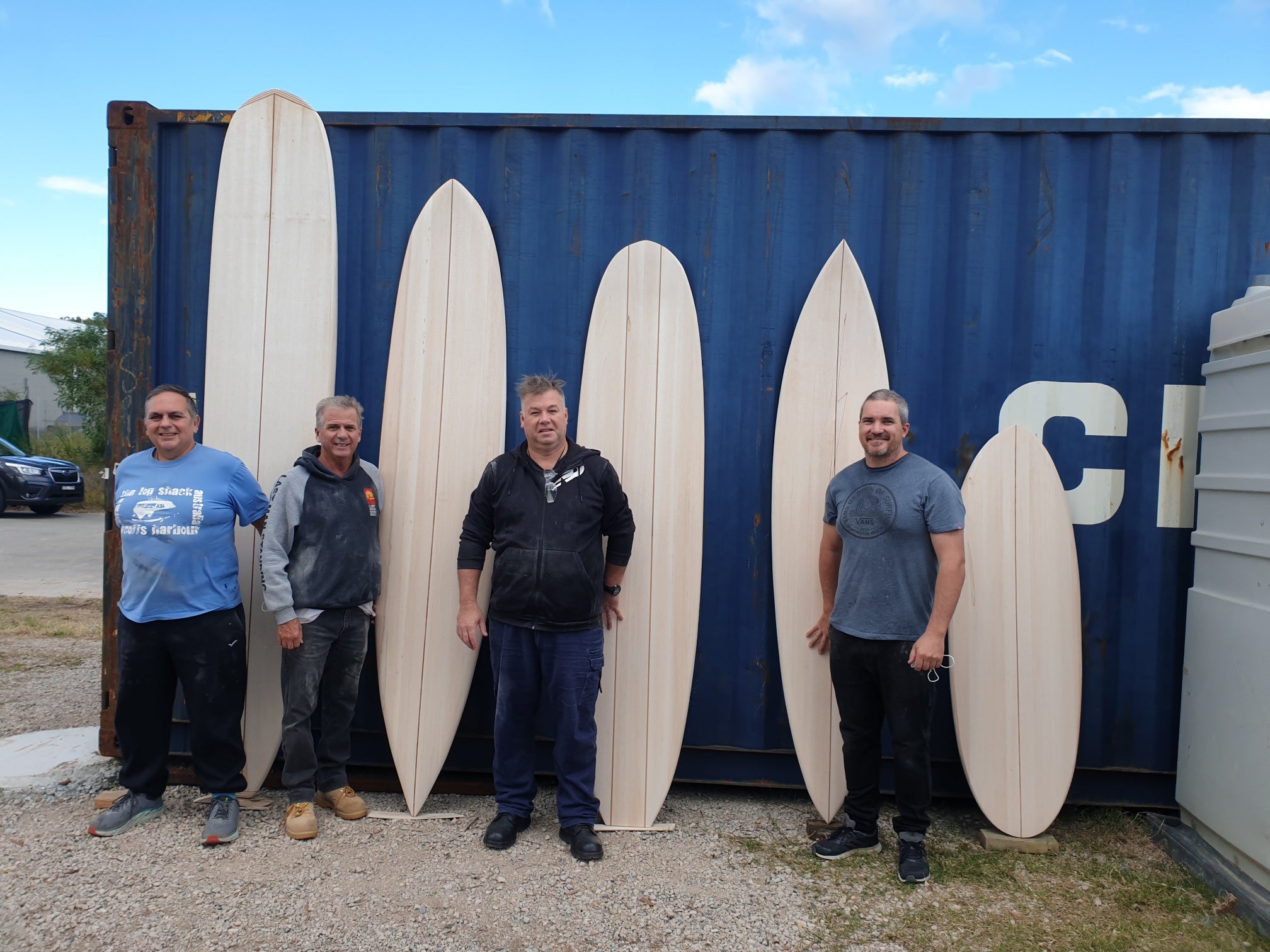
Our boards carry a 12-month warranty: snap it and we replace it. Custom orders are built to suit each customer.
The hardest part of building a wooden surfboard is not the shaping, it is choosing the right timber and getting the glassing right the first time. Riley Balsa Wood Surfboards supplies kiln-dried balsa and cedar, custom-cut blanks and finished boards, all hand shaped in Australia, with a 12-month snap warranty on our solid builds. Get started with Riley Balsa Wood Surfboards and build a board that outlasts every foam one you have owned.
Frequently Asked Questions
What type of wood is best for building a surfboard?
Balsa is the benchmark for weight: it is the lightest commercial timber and is why 1950s boards shed so much bulk. Paulownia is a close second and takes glass well. Cedar and redwood are heavier and usually go into stringers, rails or hollow frames rather than a full solid blank. The right pick depends on whether you want a light performance board, a traditional solid log, or a hollow build where the frame carries the load.
Is balsa or paulownia better for a wooden surfboard?
Balsa wins on weight and buoyancy, which is why balsa boards are light for their size. Paulownia is denser and tougher against dings, so it suits hollow builds and rails where impact resistance matters. For a balsa wood surfboard that feels lively underfoot, balsa is the usual choice. For a board you plan to knock around, paulownia holds up better.
How do you keep a wooden board from rotting or delaminating?
Wood is not waterproof on its own. Every board needs a glass layer, typically one layer of 4-ounce fiberglass with polyester resin over balsa, to seal out water and UV. Check that the blank was kiln dried to the correct moisture content before glassing, because trapped moisture is what causes rot and delamination later. A properly glassed balsa board will last a lifetime, and any ding should be dried and repaired before it takes on water.
Can you build a surfboard from solid wood?
Yes. Solid balsa boards were the standard from the 1950s, and Riley Balsa Wood Surfboards still shapes solid Malibu classics and Hawaiian guns from full balsa sections. Solid builds are heavier than hollow or foam-core boards, but they carry momentum well. They suit traditionalists and collectors as much as riders.
Are wooden surfboards sustainable?
Wood stores carbon for the life of the board, and balsa grows to full height in three to six years on sustainable farms, which makes it a genuinely renewable material. Riley Balsa Wood Surfboards sources balsa from sustainable farms in Ecuador, Papua New Guinea and Australia. A board that lasts decades also avoids the waste of replacing a foam board every few years.

0 commentaire